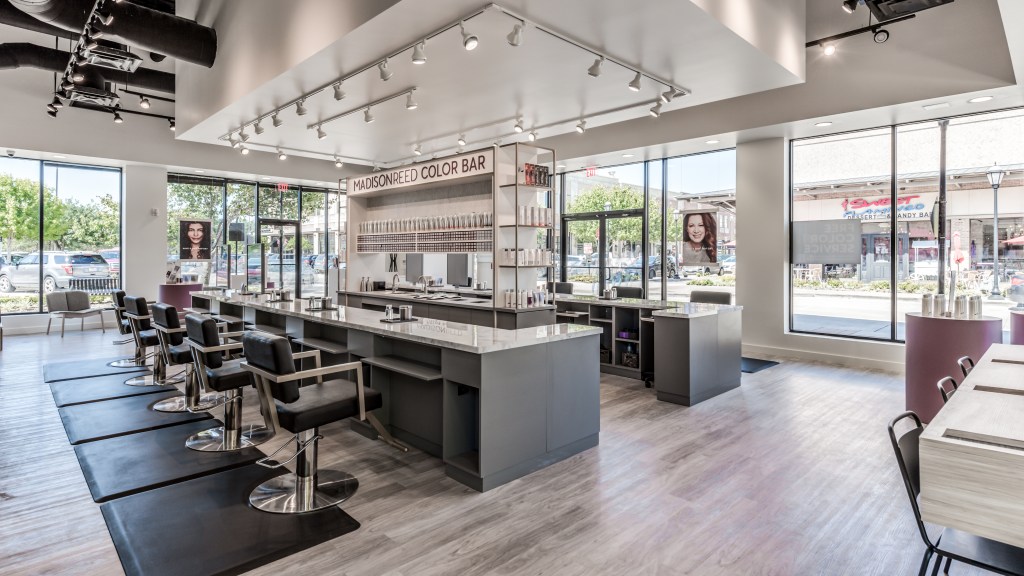
At HHA, we approach incorporating sustainable and energy-efficient elements into our designs by starting with a deep understanding of the project’s environment, climate, regulations and the client’s needs. We assess the existing conditions and look at options for adaptive reuse during the initial pre-design and schematic design phases. We also look to incorporate passive design strategies such as natural light and ventilation to reduce energy consumption. Advanced materials, like high-performance insulation and energy-efficient glazing, are integrated to minimize heat transfer.
The selection of sustainable materials—such as recycled, locally sourced, low carbon or rapidly renewable resources— is another crucial aspect. Resource conservation is also and important consideration, which often drives the specification of water-conserving fixtures, for example.
After assessing the sustainable practices and strategies, we recommend those that are compatible with the project’s scope and are aligned with our client’s goals and budget.
We believe in designing spaces that not only meet today’s sustainability standards but are also adaptable to future innovations. Sustainability isn’t just a trend; it’s a responsibility, and we look to incorporate strategies into every project to create healthier, smarter, and more resilient spaces.










 Heitler Houstoun Architects